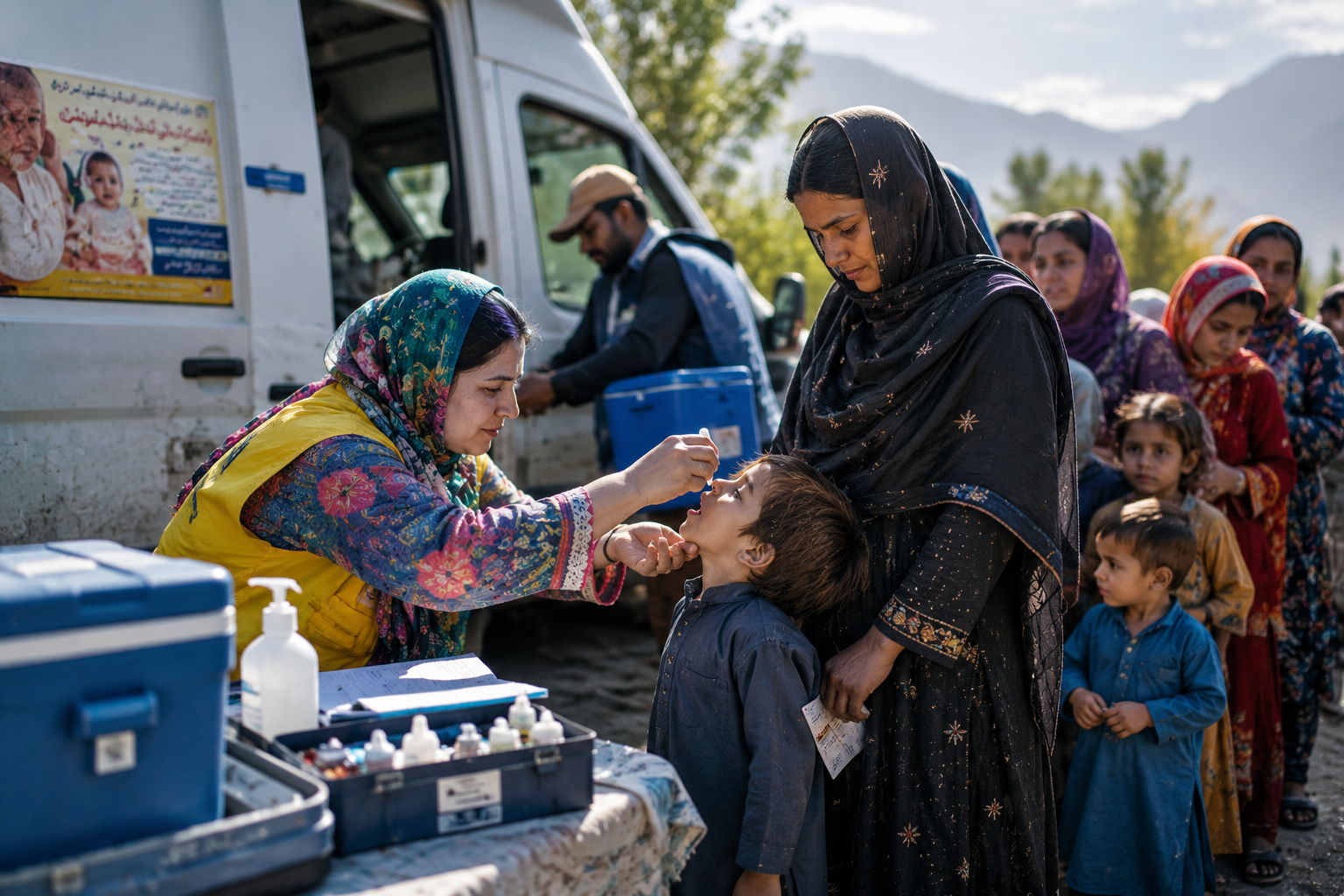

Polio Free World discussions took center stage during recent global health meetings as experts, governments, and international organizations renewed efforts to eliminate the disease completely.
Health leaders speaking during the World Health Assembly (WHA) emphasized that the world is closer than ever to ending polio permanently. However, they also warned that critical vaccination gaps still remain in several regions.
The latest conversations highlighted both remarkable progress and serious remaining challenges. For millions of families around the world, the success of these efforts could protect future generations from one of history’s most feared diseases.
Why Polio Eradication Still Matters Today: Polio Free World
Polio once terrified families across the globe.
The disease mainly affects young children and can cause paralysis or even death in severe cases. Before vaccines became widely available, outbreaks spread rapidly through many countries.
Today, thanks to decades of vaccination campaigns, polio has been eliminated from most parts of the world.
Millions of Lives Have Already Been Protected
Global vaccination efforts have prevented countless cases over the years.
Organizations involved in eradication campaigns estimate that millions of children avoided paralysis because of widespread immunization programs.
This progress represents one of modern public health’s greatest achievements.
The World Is Closer Than Ever to Ending Polio: Polio Free World
Health officials say only a small number of countries still report wild poliovirus transmission.
That marks enormous progress compared with previous decades when polio affected more than 100 countries worldwide.
Cases Have Dropped Dramatically
Since the launch of global eradication programs, polio cases have fallen by more than 99 percent.
The remaining outbreaks are now concentrated in limited areas where vaccination access remains difficult.
Global Cooperation Made the Progress Possible
The fight against polio involved cooperation between:
- Governments
- Healthcare workers
- International organizations
- Volunteers
- Community leaders
The Global Polio Eradication Initiative (GPEI) played a major role in coordinating worldwide vaccination efforts.
What Leaders Discussed at the World Health Assembly: Polio Free World
Recent WHA discussions focused heavily on the final steps needed to eliminate polio completely.
Health leaders stressed that the remaining gaps are becoming increasingly difficult to close.
Conflict Zones Create Major Challenges
One of the biggest obstacles involves reaching children in conflict-affected regions.
War, political instability, and security threats can limit vaccination campaigns and reduce healthcare access.
This creates opportunities for the virus to continue spreading.
Misinformation Also Slows Progress
False information about vaccines continues creating barriers in some communities.
Health organizations say building trust remains essential for successful immunization programs.
Community education campaigns now play a critical role alongside medical outreach.
Why Vaccination Remains the Most Powerful Tool: Polio Free World
Vaccines remain the strongest defense against polio.
Health experts repeatedly emphasize that consistent immunization campaigns are essential for complete eradication.
Children Need Reliable Vaccine Access
Even small immunity gaps can allow outbreaks to return.
That is why health workers focus heavily on ensuring every child receives proper vaccination doses.
Vaccination teams often travel to remote villages, crowded cities, and conflict areas to reach vulnerable populations.
Healthcare Workers Continue Risky Frontline Efforts: Polio Free World
The fight against polio depends heavily on local healthcare workers and volunteers.
Many workers operate under extremely difficult conditions while conducting vaccination drives.
Teams Often Work in Dangerous Areas
In some regions, vaccinators travel through unstable environments where security risks remain high.
Despite these dangers, many continue working because they understand the importance of protecting children from paralysis.
Why the Final Stage Is Often the Hardest: Polio Free World
Health experts say disease eradication becomes most difficult near the finish line.
When case numbers fall very low, remaining outbreaks often occur in the hardest-to-reach communities.
Surveillance Systems Must Stay Strong
Countries must continue monitoring for possible cases even after large outbreaks disappear.
Health agencies use laboratory testing and environmental surveillance systems to detect virus circulation early.
This helps prevent wider transmission.
The Economic Benefits of Eradicating Polio: Polio Free World
Ending polio permanently would not only save lives but also reduce long-term healthcare costs.
Governments could redirect resources toward other public health priorities once eradication is achieved.
Prevention Costs Less Than Outbreak Response
Large outbreaks require emergency vaccination campaigns, hospital care, and extensive public health operations.
Preventing transmission through routine vaccination remains far more efficient and cost-effective.
Global Health Experts Remain Optimistic
Despite ongoing challenges, many experts still believe complete eradication is possible.
The success of earlier campaigns against smallpox demonstrates that global cooperation can defeat dangerous diseases.
Technology and Research Continue Improving
Modern surveillance tools, improved vaccines, and better data systems now help health teams respond more quickly.
These advances strengthen the chances of achieving a truly polio free world.
Why Public Trust Matters More Than Ever
Public confidence in healthcare systems strongly influences vaccination success.
Community leaders, religious figures, teachers, and healthcare professionals all play important roles in building trust.
Without strong public cooperation, eradication efforts become much more difficult.
Final Thoughts
The latest Polio Free World discussions show that humanity is closer than ever to defeating one of history’s most dangerous childhood diseases. Massive progress over recent decades proves that global cooperation, vaccination campaigns, and dedicated healthcare workers can save millions of lives.
However, health leaders also warn that the final stage remains extremely challenging. Conflict zones, misinformation, and limited healthcare access continue slowing eradication efforts in vulnerable regions.
Still, the momentum remains strong. With continued investment, public trust, and international cooperation, the dream of a world completely free from polio may finally become reality in the years ahead.
Read Other Interesting news here: Artificial Heart Pacemaker