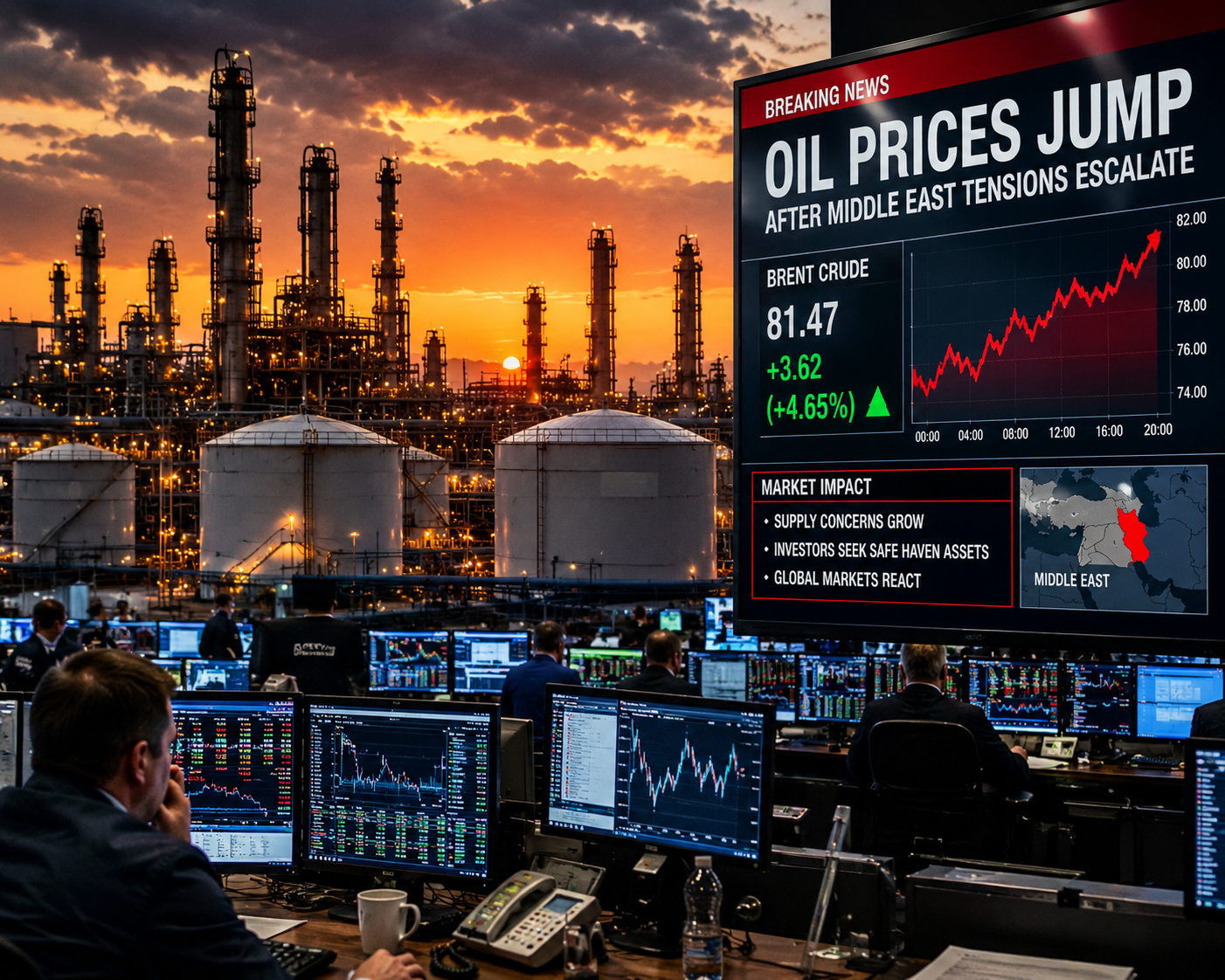

The latest surge in global energy markets has placed the phrase Oil Prices Jump at the center of international financial attention after rising tensions in the Middle East triggered fresh fears about global supply disruptions.
Investors reacted quickly after former US President Donald Trump reportedly rejected a proposal linked to ending the conflict involving Iran. That development immediately pushed oil markets higher as traders worried about the possibility of deeper instability across one of the world’s most important energy-producing regions.
The dramatic move showed how sensitive global markets remain to geopolitical developments involving oil-producing nations.
As Oil Prices Jump once again, governments, businesses, and consumers worldwide are now watching energy markets closely to understand what could happen next.
Why Oil Prices Jumped So Quickly
The recent moment when Oil Prices Jump became major financial news happened because markets feared possible supply disruptions linked to the Middle East conflict.
Oil prices often rise sharply whenever geopolitical instability threatens energy transportation routes or production facilities.
The Middle East remains one of the world’s most important oil-producing regions. Because of that, even small political or military developments can quickly affect market sentiment.
Traders reacted strongly after reports connected to Iran negotiations increased uncertainty about whether tensions could continue escalating.
That fear immediately pushed energy prices higher across global markets.
The latest movement proves once again how quickly Oil Prices Jump whenever investors become nervous about international stability.
Middle East Conflict Continues Influencing Energy Markets
The Middle East has always played a major role in shaping global oil prices.
Countries across the region produce enormous amounts of oil every day, supplying energy markets worldwide.
Whenever conflict intensifies in the region, investors begin worrying about:
- Supply disruptions
- Shipping route risks
- Export interruptions
- Military escalation
- Global inflation pressure
Those concerns heavily influence market behavior.
The latest situation where Oil Prices Jump reflects how deeply connected energy markets remain to geopolitical events.
Even rumors or political statements can quickly change investor expectations and trigger major price swings.
That sensitivity continues making oil one of the world’s most closely watched commodities.
Donald Trump’s Comments Added New Market Uncertainty
Reports connected to Donald Trump also contributed to the latest market reaction.
According to reports, Trump dismissed an Iranian proposal linked to ending the conflict, which increased uncertainty surrounding possible diplomatic solutions.
Markets generally react positively when investors believe tensions may ease peacefully.
However, uncertainty or signs of prolonged conflict often create the opposite effect.
That is one important reason why Oil Prices Jump immediately after major geopolitical developments involving the Middle East.
Investors now remain highly alert to political comments, military actions, and diplomatic negotiations connected to the region.
Each new development could potentially influence oil prices further.
Why Rising Oil Prices Matter Globally
The latest situation where Oil Prices Jump affects far more than energy traders alone.
Oil prices influence nearly every part of the global economy.
Higher oil prices can affect:
- Transportation costs
- Airline ticket prices
- Food distribution expenses
- Manufacturing costs
- Consumer inflation
- Household energy bills
Because oil remains deeply connected to global business activity, rising prices can eventually affect millions of ordinary consumers worldwide.
That is why governments and central banks monitor energy markets very carefully whenever major geopolitical tensions emerge.
The recent surge where Oil Prices Jump may therefore have broader economic consequences in the coming weeks.
Investors Fear Supply Disruptions
One major reason why Oil Prices Jump during geopolitical crises involves supply fears.
Oil markets depend heavily on stable transportation routes and uninterrupted production.
If conflict threatens shipping lanes or export infrastructure, traders immediately begin pricing in potential shortages.
Even if actual supply disruptions never occur, fear alone can move markets significantly.
The Middle East remains especially important because major global oil routes pass through the region.
Any instability connected to those routes can create immediate investor concern.
That uncertainty continues driving volatility as Oil Prices Jump in response to every major regional development.
Global Inflation Concerns Could Increase Again
The recent moment where Oil Prices Jump has also increased concern about inflation.
Higher energy costs often push prices higher across many industries because transportation and production depend heavily on fuel.
In recent years, governments worldwide worked aggressively to reduce inflation pressure after major economic disruptions.
Now, rising oil prices could potentially complicate those efforts.
Central banks and financial markets are closely watching whether continued energy price increases may influence:
- Consumer spending
- Interest rate decisions
- Economic growth
- Business costs
- Global inflation trends
The latest market reaction shows how deeply energy prices remain connected to wider economic conditions.
Energy Markets Remain Extremely Sensitive
The current situation demonstrates once again that energy markets remain highly emotional and reactive.
Whenever geopolitical uncertainty increases, oil traders often respond rapidly because markets try anticipating future risks before they happen.
That forward-looking behavior explains why Oil Prices Jump even before actual supply shortages occur.
Investors constantly analyze political speeches, diplomatic meetings, military activity, and international negotiations for clues about future market conditions.
Because oil demand remains globally important, even temporary uncertainty can trigger strong reactions.
The latest surge highlights how fragile market confidence can become during periods of international tension.
Consumers Could Feel the Impact Soon
If the trend where Oil Prices Jump continues for an extended period, ordinary consumers may begin noticing economic effects more directly.
Historically, rising oil prices often influence:
- Petrol prices
- Delivery costs
- Airline fares
- Utility expenses
- Grocery prices
Businesses frequently pass higher transportation and production costs onto consumers.
That possibility is one reason why governments carefully monitor oil market developments during geopolitical crises.
The longer tensions remain unresolved, the greater the chance energy costs could affect broader economic activity worldwide.
Many analysts now believe future developments involving Iran and regional diplomacy will heavily influence upcoming oil market direction.
5 Major Reasons Oil Prices Jumped
1. Middle East Conflict Escalation
Growing regional instability increased fears about energy supply disruptions.
2. Donald Trump’s Reported Response
Reports surrounding Trump’s rejection of an Iranian proposal increased uncertainty.
3. Investor Fear About Oil Supply
Markets worried conflict could threaten transportation routes and exports.
4. Rising Inflation Concerns
Higher oil prices could increase inflation pressure globally.
5. Market Volatility Increased Rapidly
Energy traders reacted quickly to political and military uncertainty.
What Investors Will Watch Next
Following the latest moment where Oil Prices Jump, investors are now focusing closely on future developments involving the Middle East.
Several major factors could influence oil prices next:
- Diplomatic negotiations
- Military developments
- Export conditions
- Shipping route security
- Government responses
Financial markets remain highly sensitive to each new update.
Even small political developments could trigger additional volatility in energy prices.
That uncertainty means oil markets may remain unstable for some time.
Global investors, governments, and businesses will continue monitoring the situation very carefully.
Final Thoughts
The latest surge where Oil Prices Jump highlights how deeply global energy markets remain connected to geopolitical tensions and international diplomacy.
As uncertainty involving Iran and the Middle East continues influencing investor sentiment, oil markets are reacting rapidly to every major development.
Higher oil prices may eventually affect inflation, transportation costs, and broader economic conditions worldwide.
For now, global markets remain focused on whether diplomatic efforts can reduce tensions or whether instability could continue pushing energy prices higher.
The coming weeks may become especially important for understanding where oil markets, and the global economy, move next.
Read Other Interesting news here: Treatment Resistant Depression